
Web Design: An Overview to Building Your Business Website
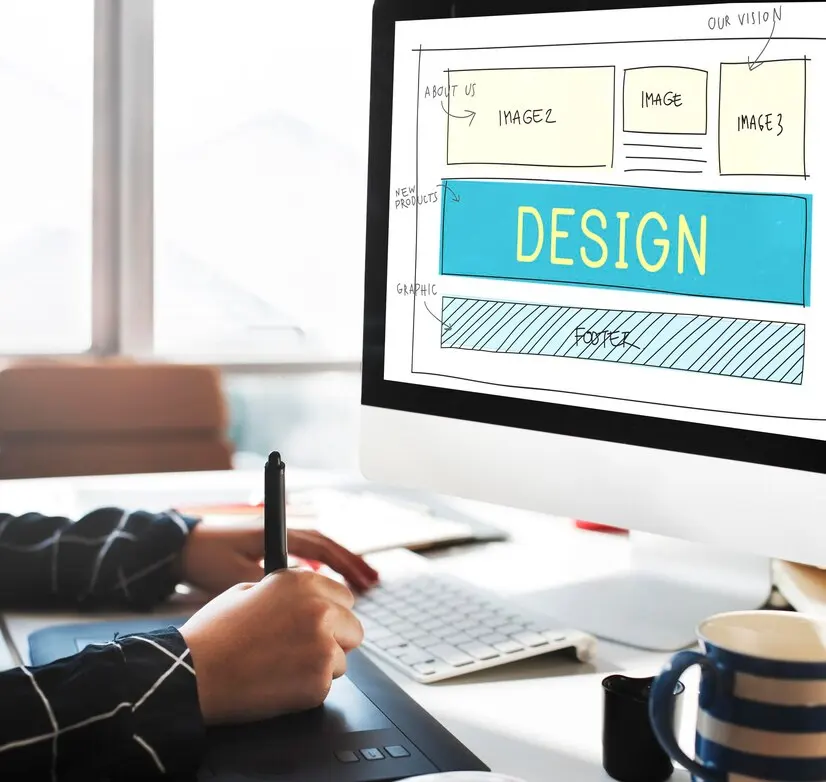
For businesses today, a website serves as your digital storefront. Whether customers find you through Google searches, social media, or word-of-mouth, your website often provides their first detailed impression of your company. Research shows that users form opinions about websites in just 0.05 seconds, making strategic web design crucial for business success.
With thousands of websites in every niche, it truly takes more than a mere online presence to outdo competitors and build trust with customers. The key is having your website designed in a way that's visually appealing, functional, and offers visitors exactly what they're looking for. If you're wondering what web design involves and the benefits it offers your business, here's everything you need to know.
Understanding Web Design: Essential Elements and Best Practices
Website design is the process of planning, conceptualizing, and implementing a website that's both functional and provides an excellent user experience. It involves working on every element that people interact with, ensuring your site is simple, efficient, allows users to quickly find information, and looks visually appealing.
Professional website design encompasses everything from layout and navigation to color schemes and content organization. When done well, these elements work together to create a cohesive experience that reflects your brand and serves your business goals.
What Do Web Designers Do?
Web designers create the visual layout and user experience of websites, combining technical expertise with creative vision. They have deep understanding of UI (user interface) and UX (user experience) principles, and use specialized design programs to create compelling visual elements.
A typical web design project involves:
- Understanding your business goals and target audience
- Creating wireframes and mockups of your site structure
- Designing visual elements like logos, graphics, and layouts
- Ensuring the design works across all devices and browsers
- Collaborating with developers to bring the design to life
Web designers use tools like Adobe Creative Suite, Figma, and Sketch to create everything from simple business websites to complex e-commerce platforms. Their goal is to capture your brand's identity while making your site both beautiful and functional.
Key Benefits of Having a Good Web Design
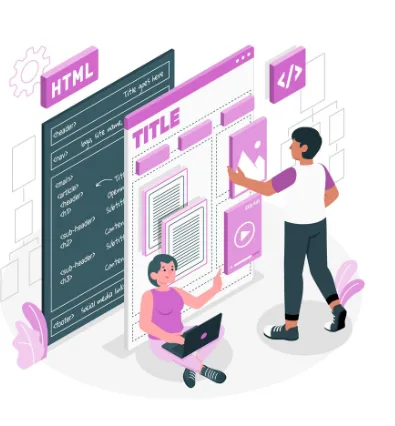
Investing in quality website design offers measurable returns for your business:
An Impactful First Impression
Your website often serves as the first point of contact with potential customers. A well-designed site immediately communicates professionalism and credibility, helping you stand out from competitors who may have outdated or poorly designed websites.
Better Search Engine Rankings
Google considers multiple design-related factors when ranking websites, including:
- Mobile-friendliness and responsive design
- Page loading speed and performance
- Clear site structure and navigation
- Quality user experience signals
Websites with good design see 74% higher conversion rates compared to poorly designed sites.
Brand Consistency and Recognition
Professional design ensures your logo, color scheme, fonts, and messaging work together cohesively. Companies with consistent branding across all touchpoints see a 23% increase in revenue, as consistency builds trust and makes your business more memorable.
Reduced Bounce Rates and Increased Engagement
When your website is intuitive and engaging, visitors stay longer and explore more pages. This sends positive signals to search engines and increases the likelihood of converting visitors into customers.

What is Responsive Web Design?
Today, over 60% of web traffic comes from mobile devices. Responsive web design ensures your website automatically adjusts to provide optimal viewing experiences on smartphones, tablets, and desktop computers.
A responsive website:
- Automatically resizes and reorganizes content based on screen size
- Maintains functionality across all devices
- Provides fast loading times on mobile networks
- Meets Google's mobile-first indexing requirements
This isn't optional: Google prioritizes mobile-friendly websites in search results, making responsive design essential for online visibility.
Getting Started with Your Website Project
Ready to move forward with a new website? Here's how to begin:
Define Your Goals
- Lead Generation: Capture contact information from potential customers
- E-commerce: Sell products or services online
- Information Hub: Provide details about your services and expertise
- Brand Awareness: Establish credibility and professional presence
Choose Your Approach
- DIY Route: Use website builders like WordPress, Squarespace, or Wix if you have time to learn and maintain the site
- Professional Route: Hire a web design agency for custom solutions, ongoing support, and strategic guidance
Plan Your Content
- Identify the main pages you'll need (About, Services, Contact, etc.)
- Gather high-quality photos and write compelling copy
- Consider your target audience's needs and questions
- Plan for search engine optimization from the start
What's Next?
Now that you understand the fundamentals of website design, you're ready to take the next step:
- Research Options: Explore different website builders or research local web design agencies
- Gather Requirements: List your specific needs, preferred features, and timeline
- Get Quotes: If hiring professionals, obtain detailed proposals from 2-3 providers
- Plan Content: Start collecting photos, writing copy, and organizing your site structure
Remember, your website is an investment in your business's future. Whether you choose to build it yourself or work with professionals, focus on creating an experience that serves your customers' needs while supporting your business goals.